Immersive Real Estate Experiences: Meeting the Expectations of a New Generation
In today’s fast changing property landscape, a polished image isn’t enough. Buyers want to feel something. They want to explore, connect, and imagine a life in the spaces they’re shown. By blending technology with emotion, we can create a story people want to step into. Find out how…
Why Immersive Matters Now
There’s been a shift, and it’s a big one. A new generation of buyers has grown up in an always-on digital world. Gen Z and Gen Alpha are used to swiping, tapping, and stepping into virtual environments. For them, interaction isn’t a bonus, it’s expected.
They want control. They want it in real time. They want immersive digital experience.
And while older generations may be less native to tech, they’re increasingly open to tools that make things simpler, clearer, and more emotionally engaging. Interactive sales applications, digital twins, and physical models that work together with them offer reassurance, save time, and support better decision making.
Whether it’s a first home or a major investment, the goal is the same: help people feel something. Because when it comes to property, we know that emotion drives action.
What Today’s Buyers Expect
Immersive technology is becoming the new standard. Here’s what buyers are looking for:
1. Real Time Interactivity
No more static CGIs. Buyers expect dynamic, responsive environments, from cinematic walkthroughs to real-time CGI animations, where they can change finishes, lighting, and even time of day. Whether powered by pre-set triggers or game engine rendering, real time responsiveness is now part of the experience.
2. Personalisation at Scale
Forget one size fits all. Smart systems now adapt based on user preferences, input, or behaviour. Think personalised content in apps or RFID wristbands that trigger unique showroom experiences. Buyers want a journey tailored to them.
3. Multisensory Experiences
It’s not just visual anymore. Sound, motion responsive visuals, even scent diffusers can help turn a viewing into something memorable. The more senses we engage, the more powerful the impression.
4. Blending the Physical and the Digital
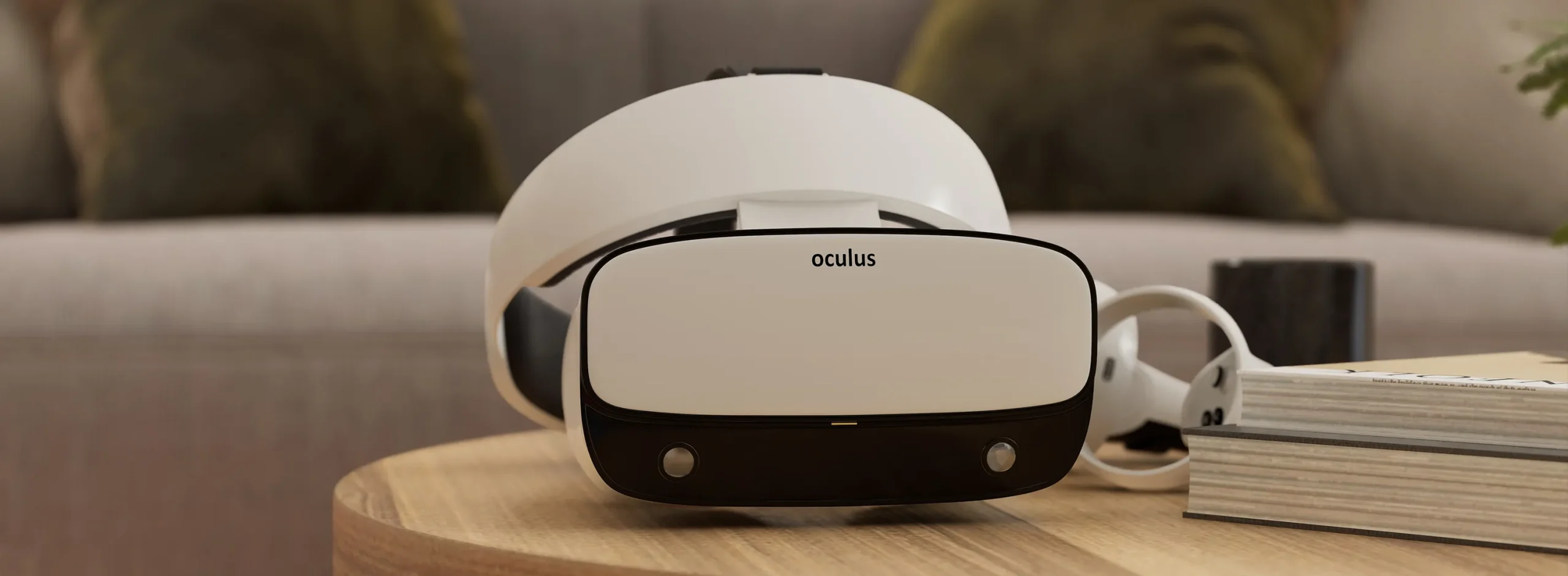
From VR tours on your sofa to AR overlays onsite, mixed reality tools give buyers flexible ways to explore, without losing the sense of place that matters so much in real estate.
Where It’s Heading
We’re entering a golden age of location based storytelling.
Younger audiences already expect visual first, interactive content. In fact, 77% of Gen Z say they find VR and interactive visuals more engaging than traditional formats. And Gen Alpha? Their influence and spending power is growing fast.
So, where’s it going?
Gamification
Borrowing from gaming, virtual property tours are starting to include interactive layers: from hidden “easter eggs” to a game of pool or ping pong. It’s playful, memorable, and drives deeper engagement.
Hyper Personalised Journeys
Real time data can now shape experiences based on what people actually do, from layout preferences to browsing habits. It’s like Netflix, but for homes.
Social First Immersion
Think group VR tours, live streamed launches with audience, shared immersive environments. All of these are designed to spark conversations and make the process feel collaborative, not transactional.
Environmentally Responsive Design
We’re already seeing smart visuals that adjust to real world conditions. For example, light that mirrors your time of day or visuals that reflect local weather. It helps buyers imagine their future, more vividly and more truthfully.
Emotional Connection Still Wins
At the heart of it all, property sales are still about triggering an emotional response: desire. It’s about belonging, identity, and lifestyle. That hasn’t changed. What’s changed is how we show it.
Immersive tools help us go beyond the image to show what a place feels like. Picture this: not just a still of a living room, but a virtual space where you can hear the hum of a grand piano, see light glinting off polished marble, and feel the calm of a Sunday morning unfold across a penthouse terrace. That’s not a feature. That’s a feeling. And feelings drive decisions.
But the value doesn’t end with emotion. Even if someone doesn’t buy right away, they’ll talk about the experience. They’ll share it, remember it, and compare other properties to it. It becomes a benchmark. And when the project changes hands, whether it’s sold to a new provider, operator, or investor, those assets stay valuable. In some cases, they can even elevate the perceived worth of the development.
Today, 3D digital experiences aren’t a nice to have, they’re part of the asset.
Practical Uses Today
This isn’t future-speak. It’s happening now:
• Off-plan Marketing: VR tours help sell developments before they’re built
• Showroom Augmentation: AR tools let buyers visualise upgrades and layouts instantly
• Remote Viewings: Overseas buyers can explore spaces and speak with agents via avatars
• Investor Pitches: Branded films and immersive visuals help communicate a project’s value as well as its vision
Overall, harnessing these tools adds value to a building across its whole lifespan and provides a better experience for the end user.
Immersive technology speaks to younger buyers fluent in interaction. It reassures older audiences looking for confidence and clarity. And it gives developers, architects and marketers the opportunity to move beyond ‘products’.
It’s all about understanding the mindset behind your target audiences: one that centres the user, tells a strong story, and makes unbuilt places feel real.
Want to create immersive digital experiences that move people?
We can help you connect with your audience in more meaningful ways, turning unbuilt spaces into unforgettable stories. Get in touch with us and let’s explore what’s possible.